
Бородин Александр Андрианович (1904) — различия между версиями
(→Добавлена английская версия страницы) |
(→Typographical error) |
||
| Строка 141: | Строка 141: | ||
In 1951, by decision of the Special Council of the MGB USSR, Aleksandr Andrianovich Borodin was additionally sentenced to indefinite exile with the formula "until further notice"—which in essence meant for life.<br> | In 1951, by decision of the Special Council of the MGB USSR, Aleksandr Andrianovich Borodin was additionally sentenced to indefinite exile with the formula "until further notice"—which in essence meant for life.<br> | ||
| − | And only in 1957, twenty-one years after his arrest, by resolution of the Plenum of the Supreme Court of the USSR No. 08/1048s56, Aleksandr Andrianovich Borodin was fully exonerated (*rehabilitated* in Russian | + | And only in 1957, twenty-one years after his arrest, by resolution of the Plenum of the Supreme Court of the USSR No. 08/1048s56, Aleksandr Andrianovich Borodin was fully exonerated (*rehabilitated* in Russian term).<br> |
In that same year of 1957, after <b>twenty years</b> in Kolyma, Aleksandr Andrianovich was able to return to Leningrad, where he lived with his wife and son until the end of his days. | In that same year of 1957, after <b>twenty years</b> in Kolyma, Aleksandr Andrianovich was able to return to Leningrad, where he lived with his wife and son until the end of his days. | ||
Версия 21:42, 14 декабря 2025

- Дата рождения: 11 июня 1904 г.
- Место рождения: Челябинская обл., г. Златоуст.
- Пол: мужчина
- Национальность: русский
- Гражданство (подданство): СССР
- Образование: высшее (Ленинградский Политехнический институт, факультет индустриального земледелия), кандидат технических наук.
- Профессия / место работы: Преподаватель Ленинградского института инженеров-механиков, преподаватель в Ленинградском Политехническом институте.
- Место проживания: г. Ленинград, Новосильцевская ул., д. 24, кв. 12
- Партийность: б/п
- Дата смерти: 10 ноября 1971 г.
- Место смерти: г. Ленинград
- Дата ареста: 17 мая 1936 г.
- Осуждение: 16 февраля 1937 г.
- Осудивший орган: Специальная Коллегия Ленинградского обл. суда
- Статья: 58-10, 58-11 УК РСФСР
- Приговор: 10 лет ИТЛ и 5 лет п/п.
- Место отбывания: Магаданская обл., Колыма, Севвостлаг
- Дата освобождения: 2 сентября 1946 г.
- Дата реабилитации: 19 июня 1957 г.
- Реабилитирующий орган: Пленум Верховного Суда СССР, постановление Nº 08/1048с56
- Обвинение: по политическим мотивам ("повторник")
- Осуждение: 22 сентября 1951 г.
- Осудивший орган: ОСО при МГБ СССР
- Приговор: ссылка на бессрочное поселение
- Место отбывания: район Колымы на Дальнем Севере
- Дата реабилитации: 19 июня 1957 г.
- Архивное дело: Архивный фонд УФСБ РФ по г. Санкт-Петербург, дело Nº П-23858
- Источники данных: БД "Жертвы политического террора в СССР"; Архив НИЦ "Мемориал" (Санкт-Петербург)
Биография

Александр Андрианович Бородин родился в 1904 году на Урале, в городке Златоуст в семье лесника.
И хотя вся его взрослая жизнь прошла не в Златоусте, воспоминания об Урале, его природе всегда оставались дорогими его сердцу - лес, с его дыханием и звуками, озера с кристально чистой водой, горы с камнями поросшими мхом.
В 1924 году, 20-летним юношей Александр Андрианович приехал в Петроград (Ленинград).
Для человека, всем сердцем любящего и чувствующего природу, выбор института и направления был естественен - Ленинградский Политехнический институт, факультет индустриального земледелия.
Однако тяга и способности к точным наукам проявились настолько явно, что по окончании института и года практики, Александр Андрианович поступил в аспирантуру, где получил степень кандидата технических наук.
C этого времени он стал вести курс Сопротивления материалов одновременно в двух Ленинградских вузах - в Политехническом институте и в Институте точной механики и оптики.
Позже, с образованием Института механизации социалистического земледелия, созданного на базе факультета Индустриального земледелия Политехнического института, прибавилась работа и там.
Еще будучи в аспирантуре, Александр Андрианович женился.
В семье родилось двое детей.
Вот так успешно и счастливо складывалась жизнь для сына лесника из уральского городка Златоуст.
16 мая 1936 года Александр Андрианович Бородин был арестован по обвинению в участии в контрреволюционной троцкистской организации - статья 58-10 и 58-11 (дело Nº П-23858 архивного фонда УФСБ РФ по г. Санкт-Петербургу).
Несколько месяцев Александр Андрианович провел в одиночной камере внутренней тюрьмы НКВД в печально известном ленинградцам "Большом Доме" на Литейном проспекте, д.4.
Месяцы, проведенные в одиночной камере, остались на всю жизнь одним из самых тяжелых воспоминаний; даже в ряду Колымских лагерей.
Позже Александр Андрианович был переведен в тюрьму "Кресты" - другая "достопримечательность" Ленинграда.
Приговор был стандартным для того времени: 10 лет ИТЛ с последующим поражением в правах сроком на 5 лет.
На Колыме Александру Андриановичу выпало все: работа в забое на шахте, где даже его здоровье сибиряка не выстояло - получил туберкулёз на всю оставшуюся жизнь; лесоповал; прокладка трассы на Алдан (впоследствии, Александр Андрианович говорил, что эту дорогу можно вымостить костьми её строителей).
Кажется, единственное, что миновало его на Колыме - это лагерь смерти "Серпантинка".
К государственной репрессии добавился и личный удар - жена прислала развод. Бытовала в те времена такая форма отречения от "врага народа".
Однако, там же - на Колыме - в жизни Александра Андриановича произошла встреча, которую он до конца своих дней считал самым драгоценным подарком судьбы. В конце лагерного срока он по счастливому случаю познакомился со своей будущей женой - Серафимой Иосифовной Мамедли.
По освобождении из лагеря, они поженились и прошли рука об руку 24 года; до последнего его часа.
По окончании лагерного срока, знания и опыт Александра Андриановича как инженера и преподавателя оказались востребованными. На Колыме была острая нехватка механиков, машинистов экскаваторов, бульдозеристов, водителей. Поэтому, несмотря на статус “врага народа”, ему разрешили организовать школу по обучению этим специальностям, и за несколько лет он подготовил сотни человек по этим профессиям.
С окончанием десяти лет лагерей и пяти лет поражения в правах, государственная репрессия в отношение Александра Андриановича не закончилась.
В 1951 г. решением Особого Совещания при МГБ СССР, Александр Андрианович Бородин был дополнительно осужден на бессрочную ссылку с формулировкой "впредь до особого распоряжения"; что по существу означало - пожизненно.
И лишь в 1957 г., спустя двадцать один год после ареста, постановлением Пленума Верховного Суда СССР Nº 08/1048с56 Александр Андрианович Бородин был полностью реабилитирован.
В том же 1957 году, после двадцати лет на Колыме, Александр Андрианович смог вернуться в Ленинград, где жил с женой и сыном до конца своих дней.
Умер Александр Андрианович в 1971 году, на 68-ом году жизни.
ENGLISH VERSION OF THE PAGE
BORODIN ALEKSANDR ANDRIANOVICH (1904)
General Info
- Date of birth: June 11, 1904
- Place of birth: Chelyabinsk Oblast, city of Zlatoust
- Sex: male
- Ethnicity: Russian
- Citizenship: USSR
- Education: Higher education (Leningrad Polytechnic Institute, Faculty of Industrial Agriculture), Candidate of Technical Sciences
- Occupation / place of work: Lecturer at Leningrad Institute of Mechanical Engineers, Lecturer at Leningrad Polytechnic Institute
- Place of residence: Leningrad, Novosiltsevskaya St., bldg. 24, apt. 12
- Party affiliation: non-partisan
- Date of death: November 10, 1971
- Place of death: Leningrad
First Arrest
- Date of arrest: May 17, 1936
- Conviction date: February 16, 1937
- Convicting authority: Special Board of the Leningrad Regional Court
- Criminal code articles: 58-10, 58-11 of the RSFSR Criminal Code
- Sentence: 10 years in corrective labor camps and 5 years deprivation of civil rights
- Place of imprisonment: Magadan Oblast, Kolyma, Sevvostlag
- Date of release: September 2, 1946
- Date of rehabilitation (exoneration): June 19, 1957
- Rehabilitating (exonerating) authority: Plenum of the Supreme Court of the USSR, resolution No. 08/1048s56
Second Conviction
─────────────────────────────────────────────────────────────────────────────
- Charge: on political grounds ("repeat offender")
- Conviction date: September 22, 1951
- Convicting authority: Special Council of the MGB USSR
- Sentence: exile to indefinite settlement
- Place of exile: Kolyma region in the Far North
- Date of rehabilitation (exoneration): June 19, 1957
Archival Information
─────────────────────────────────────────────────────────────────────────────
- Archival case: Archival fund of the FSB Directorate of the Russian Federation for St. Petersburg, case No. P-23858
- Data sources: Database "Victims of Political Terror in the USSR"; Archive of the Memorial Research Center (St. Petersburg)
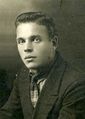
Александр Андрианович Бородин. Ленинград 1928 г.
A.A. Borodin, Leningrad, 1928.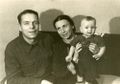
Первая семейная фотография. Колыма, п. Ягодное, 1949 г.
Our first family photo, 1949. Kolyma, Yagodnoe.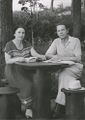
Александр Андрианович и Серафима Иосифовна. Урал 1960 г.
My parents at Ural, 1960.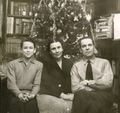
Александр Андрианович с женой Серафимой Иосифовной и сыном Игорем. Ленинград 1963 г.
Our family on New Year. Leningrad, 1963
BIOGRAPHY
══════════════════════════════════════════════════════════════
Aleksandr Andrianovich Borodin was born in 1904 in the Ural region, in the town of Zlatoust, into a forester's family. Although his entire adult life was spent away from Zlatoust, memories of the Urals and its nature always remained dear to his heart—the forest with its breath and sounds, lakes with crystal-clear water, mountains covered with moss-grown stones.
In 1924, at the age of 20, Aleksandr Andrianovich arrived in Petrograd (Leningrad). For a man who loved and felt nature with all his heart, the choice of institute and field of study was natural—the Leningrad Polytechnic Institute, Faculty of Industrial Agriculture. However, his aptitude and abilities in the exact sciences became so apparent that upon graduating from the institute and completing a year of practical work, Aleksandr Andrianovich entered graduate school, where he earned the degree of Candidate of Technical Sciences.
From that time on, he began teaching the course "Strength of Materials" simultaneously at two Leningrad institutions—the Polytechnic Institute and the Institute of Precision Mechanics and Optics. Later, when the Institute of Mechanization of Socialist Agriculture was established on the basis of the Faculty of Industrial Agriculture of the Polytechnic Institute, work there was added as well.
While still in graduate school, Aleksandr Andrianovich married. Two children were born into the family.
Thus, life was unfolding successfully and happily for the son of a forester from the Ural town of Zlatoust.
On May 16, 1936, Aleksandr Andrianovich Borodin was arrested on charges of participation in a counter-revolutionary Trotskyist organization—Articles 58-10 and 58-11 (case No. P-23858 of the archival fund of the FSB Directorate for St. Petersburg).
Aleksandr Andrianovich spent several months in a solitary cell in the internal prison of the NKVD, in the building infamously known to Leningraders as the "Big House" on Liteiny Prospekt, building 4. The months spent in solitary confinement remained one of his most painful memories for the rest of his life—even among the Kolyma camps.
Later, Aleksandr Andrianovich was transferred to the "Kresty" prison—another "landmark" of Leningrad. The sentence was standard for those times: 10 years in corrective labor camps with subsequent deprivation of civil rights for 5 years.
In Kolyma, Aleksandr Andrianovich endured everything: work at the mine face in the pit, where even his Siberian's constitution could not hold out—he contracted tuberculosis that stayed with him for the rest of his life; logging; construction of the road to Aldan (Aleksandr Andrianovich would later say that this road could be paved with the bones of its builders).
It seems the only thing that passed him by in Kolyma was the death camp "Serpantinka."
To the state repression was added a personal blow—his wife sent divorce papers. In those times, such was a common form of renouncing an "enemy of the people."
However, there as well—in Kolyma—an encounter occurred in Aleksandr Andrianovich's life that he considered until the end of his days the most precious gift of fate. Toward the end of his camp term, by fortunate chance he met his future wife—Serafima Iosifovna Mamedli.
Upon release from the camp, they married and walked hand in hand for 24 years; until his final hour.
Upon completion of his camp term, Aleksandr Andrianovich's knowledge and experience as an engineer and teacher proved to be in demand. In Kolyma, there was an acute shortage of mechanics, excavator operators, bulldozer operators, and drivers. Therefore, despite his status as an "enemy of the people," he was permitted to organize a school to train people in these specialties, and over several years he trained hundreds of people in these professions.
With the completion of ten years of camps and five years of deprivation of rights, the state repression against Aleksandr Andrianovich did not end.
In 1951, by decision of the Special Council of the MGB USSR, Aleksandr Andrianovich Borodin was additionally sentenced to indefinite exile with the formula "until further notice"—which in essence meant for life.
And only in 1957, twenty-one years after his arrest, by resolution of the Plenum of the Supreme Court of the USSR No. 08/1048s56, Aleksandr Andrianovich Borodin was fully exonerated (*rehabilitated* in Russian term).
In that same year of 1957, after twenty years in Kolyma, Aleksandr Andrianovich was able to return to Leningrad, where he lived with his wife and son until the end of his days.
Aleksandr Andrianovich died in 1971, in his 68th year of life.


