
Мамедли Серафима Иосифовна (1909)

- Дата рождения: 14 апреля 1909 г.
- Варианты ФИО: (урожд.) Гинзбург Серафима Иосифовна; Бородина Серафима Иосифовна
- Место рождения: УССР, Херсонская обл., г. Геническ
- Пол: женщина
- Национальность: еврейка
- Гражданство (подданство): СССР
- Образование: высшее
- Профессия / место работы: Преподаватель в Бакинском филиале Московского Института Красной Профессуры.
- Место проживания: Аз.ССР, г. Баку.
- Партийность: б/п
- Дата смерти: 15 февраля 2000 г.
- Место смерти: США, г. Плэйно
- Место захоронения: США, г. Плэйно
- Где и кем арестован: Аз.ССР, г.Баку, органами НКВД Аз.ССР.
- Дата ареста: 22 мая 1937 г.
- Обвинение: АСА, КРД, "Подрыв гос. пром-сти", "Совершение террористических актов направленных против представителей Советской власти"
- Осуждение: 13 октября 1937 г.
- Осудивший орган: ВКВС СССР
- Статья: 69, 70, 72, 73 УК Аз.ССР
- Приговор: 10 лет ИТЛ и 5 лет п/п (кат.2 в Сталинском списке)
- Место отбывания: Ярославская тюрьма (1937-08.1939); Магаданская обл., Колыма, Севвостлаг (с 1939).
- Дата освобождения: 22 мая 1947 г.
- Дата реабилитации: 10 декабря 1955 г.
- Реабилитирующий орган: ВКВС СССР
- Комментарий к аресту: Данные получены из Архива МГБ Азербайджанской Республики
- Архивное дело: Сталинский список от 03.10.1937 (Аз.ССР, Кат.2) - АП РФ, оп.24, дело 411, лист 206.
- Источники данных: Правозащитный Центр Азербайджана; данные семьи.
Биография

Серафима Иосифовна Мамедли (девичья фамилия - Гинзбург) родилась в 1909 году в маленьком городке Геническ, что на берегу Азовского моря, в небогатой еврейской семье.
Детство Серафимы Иосифовны было нелегким. Когда ей было 2 года, их семья лишилась отца - погиб во время шторма на Азовском море. Мать осталась с тремя маленькими детьми.
Несмотря на драматические события тех лет - Первая Мировая война, Революции, Гражданская война - мужественная женщина делала все возможное чтобы у троих детей хоть изредка случались праздники. Но и этому не суждено было долго длиться - в 1920 год она умерла от тифа.
Трое детей остались сиротами.
К счастью, родственники, взяли по одному из детей. Так Серафима Иосифовна оказалась сначала в Симферополе, а затем в Баку.
Несмотря на трудное детство, Серафима Иосифовна сумела найти свой путь в жизни. Вынужденная подрабатывать с раннего детства, она тем не менее окончила школу и сумела поступить в институт.
Еще будучи в аспирантуре, она стала сначала ассистентом, а по окончании аспирантуры - преподавателем политической экономии в Бакинском филиале Всесоюзного института Красной Профессуры.
В эти года и личное счастье улыбнулось Серафиме Иосифовне - она вышла замуж за человека, о котором сохранила сердечную память на всю жизнь - Надир Мамедли.
Интересная работа, любящий муж, маленький сын ...
Казалось, жизнь возмещала ей за трудное детство.
Но судьба распорядилась иначе.
В 1936-37 годах была развернута всесоюзная кампания по "разоблачению" профессорско-преподавательского состава Института Красной Профессуры. И Бакинский филиал не избежал общей участи.
Осенью 1936 года Серафима Иосифовна была уволена из института с формулировкой "за потерю бдительности и примиренчество к врагу народа И.Г. Сафроновичу", бывшему заведующему кафедрой Политической экономии.
А через несколько месяцев - 22 мая 1937 года - Серафима Иосифовна была арестована и в октябре 1937 года внесена в один из так называемых "Сталинских списков" - 3.10.1937
Наряду с миллионами приговоров выносившихся на местах так называемыми "тройками" судей, также составлялись списки посылаемые в Москву на утверждение, где людей делили на две категории:
- категория 1 - расстрел
- категория 2- тюремное заключение и лагеря
АП РФ, оп.24, дело 411, лист 206.
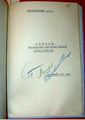
Титульная страница с санкцией подписанной Сталиным, Молотовым и Кагановичем
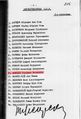
Страница из списка приговоренных по 2 категории (1-ая категория - расстрел)


Серафима Иосифовна была осуждена по нескольким статьям УК Азербайджанской ССР (см. "Обвинение" в формуляре) и приговорена к 10 годам ИТЛ с последующим поражением в правах сроком на 5 лет.
Приговор свой она испила сполна.
1937 - 1939 гг. - Бакинская пересыльная тюрьма и затем Ярославский политизолятор.
В августе 1939 года - этап в лагерь на Колыму.
По дороге она попала на тот рейс "Джурмы", когда на пароходе вспыхнул пожар.
В лагере, Серафима Иосифовна прошла весь каторжный путь - от лесоповала и мелиорации, до агробазы в Эльгене.
И тем не менее, по рассказам людей, прошедших рядом с ней этот путь, она всегда сохраняла надежду на лучшее. И надежда эта была вознаграждена.
Незадолго до окончания лагерного срока, Серафима Иосифовна встретила человека, с которым - после освобождения в 1947 году - они прошли рука об руку 24 года; до последнего часа его жизни. Это Александр Андрианович Бородин.
Как и Серафима Иосифовна, он прошел 10 лет лагеря. Более того, в 1951 году - по окончании срока поражения в правах - он был дополнительно приговорен к бессрочной ссылке с формулировкой "впредь до особого распоряжения"; что по существу означало - пожизненно.
Но и в этой ситуации Серафима Иосифовна старалась сохранять надежду и поддерживать мужа во всем.
И лишь в 1956 году, после тюрем и семнадцати лет на Колыме, Серафима Иосифовна была полностью реабилитирована и в 1957 году вместе с мужем и сыном выехала на "материк".
С 1957 г. она жила в Ленинграде и работала в институте Гипрошахт.
В 1995 Серафима Иосифовна переехала в США к сыну.
Серафима Иосифовна Бородина ушла в 2000 году.
ENGLISH VERSION OF THE PAGE
MAMEDLI, SERAFIMA IOSIFOVNA (1909)
General Info
- Date of birth: April 14, 1909
- Name variations: (née) Ginzburg, Serafima Iosifovna; Borodina, Serafima Iosifovna
- Place of birth: Ukrainian SSR, Kherson Oblast, city of Genichesk
- Sex: female
- Ethnicity: Jewish
- Citizenship: USSR
- Education: Higher education
- Occupation / place of work: Lecturer at the Baku branch of the Moscow Institute of Red Professors
- Place of residence: Azerbaijan SSR, city of Baku
- Party affiliation: non-partisan
- Date of death: February 15, 2000
- Place of death: USA, city of Plano
- Place of burial: USA, city of Plano
Arrest
- Where and by whom arrested: Azerbaijan SSR, city of Baku, by the NKVD of Azerbaijan SSR
- Date of arrest: May 22, 1937
- Charges: Anti-Soviet agitation, Counter-revolutionary activity, "Undermining state industry," "Committing terrorist acts directed against representatives of Soviet authority"
- Conviction date: October 13, 1937
- Convicting authority: Military Collegium of the Supreme Court of the USSR
- Criminal code articles: 69, 70, 72, 73 of the Criminal Code of Azerbaijan SSR
- Sentence: 10 years in corrective labor camps and 5 years deprivation of civil rights (category 2 in Stalin's list)
- Places of imprisonment: Yaroslavl Prison (1937–August 1939); Magadan Oblast, Kolyma, Sevvostlag (from 1939)
- Date of release: May 22, 1947
- Date of rehabilitation (exoneration): December 10, 1955
- Rehabilitating (exonerating) authority: Military Collegium of the Supreme Court of the USSR
- Note on arrest: Data obtained from the Archive of the MGB of the Republic of Azerbaijan
Archival Information
─────────────────────────────────────────────────────────────────────────────
- Archival case: Stalin's list dated 03.10.1937 (Azerbaijan SSR, Category 2) — Archive of the President of the Russian Federation, inventory 24, case 411, sheet 206
- Data sources: Human Rights Center of Azerbaijan; family data
- Category 1 — execution
- Category 2 — imprisonment and camps
Title page with the authorization signed by Stalin, Molotov, and Kaganovich
Page from the list of those sentenced under Category 2 (Category 1 — execution). The name is highlighted.
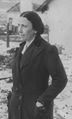
Вскоре после освобождения. Колыма, п. Ягодное 1948 г.
Kolyma, Yagodnoe. 1948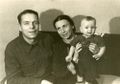
Первая после освобождения семейная фотография. Колыма, п. Ягодное 1949 г.
Our first family photo. Kolyma, Yagodnoe. 1949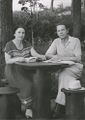
Александр Андрианович и Серафима Иосифовна на Урале. Лето 1960 г.
My parents at Ural, Summer 1960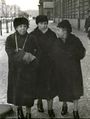
Бывшие со-лагерницы годы спустя: Надежда Абрамовна Гарнец, Серафима Иосифовна Бородина, Анна Ильинична Бархаш Ленинград 1963 г.
Former "co-campers" years laters: N.A. Garnets, S.I. Borodina, A.I. Barchash. 1963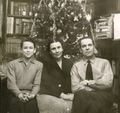
Новый 1963-ий год. Ленинград 1963 г.
New Year 1963. Leningrad
BIOGRAPHY
══════════════════════════════════════════════════════════════
Serafima Iosifovna Mamedli (maiden name Ginzburg) was born in 1909 in the small town of Genichesk on the shore of the Sea of Azov, into a poor Jewish family.
Serafima Iosifovna's childhood was difficult. When she was two years old, the family lost her father—he perished during a storm on the Sea of Azov. Her mother was left with three small children.
Despite the dramatic events of those years—the First World War, the Revolutions, the Civil War—this courageous woman did everything possible so that her three children could have at least occasional moments of joy. But even this was not destined to last long—in 1920 she died of typhus.
The three children were left orphans.
Fortunately, relatives took in one child each. Thus Serafima Iosifovna found herself first in Simferopol, and then in Baku.
Despite her difficult childhood, Serafima Iosifovna managed to find her path in life. Forced to work from early childhood, she nevertheless completed school and succeeded in entering an institute.
While still in graduate school, she became first an assistant, and upon completing her graduate studies—a lecturer in political economy at the Baku branch of the All-Union Institute of Red Professors.
During these years, personal happiness also smiled upon Serafima Iosifovna—she married a man whom she cherished in her heart for the rest of her life—Nadir Mamedli (https://ru.wikipedia.org/wiki/Мамедли_Надир_Джалил_оглы).
Interesting work, a loving husband, a little son...
It seemed life was compensating her for her difficult childhood.
But fate decreed otherwise.
In 1936–37, an all-Union campaign was launched to "expose" the professorial and teaching staff of the Institute of Red Professors. And the Baku branch did not escape the common fate.
In the autumn of 1936, Serafima Iosifovna was dismissed from the institute with the formulation "for loss of vigilance and reconciliation with the enemy of the people I.G. Safronovich (https://ru.openlist.wiki/Сафронович_Иосиф_Григорьевич)," the former head of the Department of Political Economy.
And a few months later—on May 22, 1937—Serafima Iosifovna was arrested, and in October 1937 she was included in one of the so-called "Stalin's lists"—dated 03.10.1937.
Alongside the millions of sentences issued locally by so-called "troikas" (three-judge panels), lists were also compiled and sent to Moscow for approval. In these lists, people were divided into two categories:
Archive of the President of the Russian Federation, inventory 24, case 411, sheet 206.
Serafima Iosifovna was convicted under several articles of the Criminal Code of the Azerbaijan SSR (see "Charges" in the data section) and sentenced to 10 years in corrective labor camps with subsequent deprivation of civil rights for 5 years.
She drained her sentence to the last drop. 1937–1939—Baku transit prison and then Yaroslavl political isolator. In August 1939—transport to a camp in Kolyma. On the way, she was on that voyage of the "Dzhurma" when a fire broke out on the ship. In camp, Serafima Iosifovna traveled the entire path of hard labor—from logging and land reclamation to the agricultural base in Elgen. And yet, according to the accounts of people who walked this path alongside her, she always maintained hope for the better. And this hope was rewarded.
Shortly before the end of her camp term, Serafima Iosifovna met a man with whom—after her release in 1947—they walked hand in hand for 24 years; until the last hour of his life. This was Aleksandr Andrianovich Borodin. Like Serafima Iosifovna, he had endured 10 years of camp. Moreover, in 1951—upon completion of his term of deprivation of rights—he was additionally sentenced to indefinite exile with the formulation "until further notice"; which in essence meant for life. But even in this situation, Serafima Iosifovna tried to maintain hope and support her husband in everything.
And only in 1956, after prisons and seventeen years in Kolyma, Serafima Iosifovna was fully exonerated (*rehabilitated* in Russian term), and in 1957 together with her husband and son she left for the "mainland" (as Kolyma residents called the rest of the territory of the USSR at that time). From 1957 she lived in Leningrad and worked at the Giproshakht Institute.
In the 1980s, Serafima Iosifovna wrote several short stories that give a sense of that era. In 1995, Serafima Iosifovna moved to the USA to be with her son. Serafima Iosifovna Borodina passed away in 2000.


Репрессированные родственники
Воспоминания: очерки о встречах в тюрьме и лагере
Муся Нимэт Как это делалось Мой дорогой Бернард Шоу
Седьмой Километр